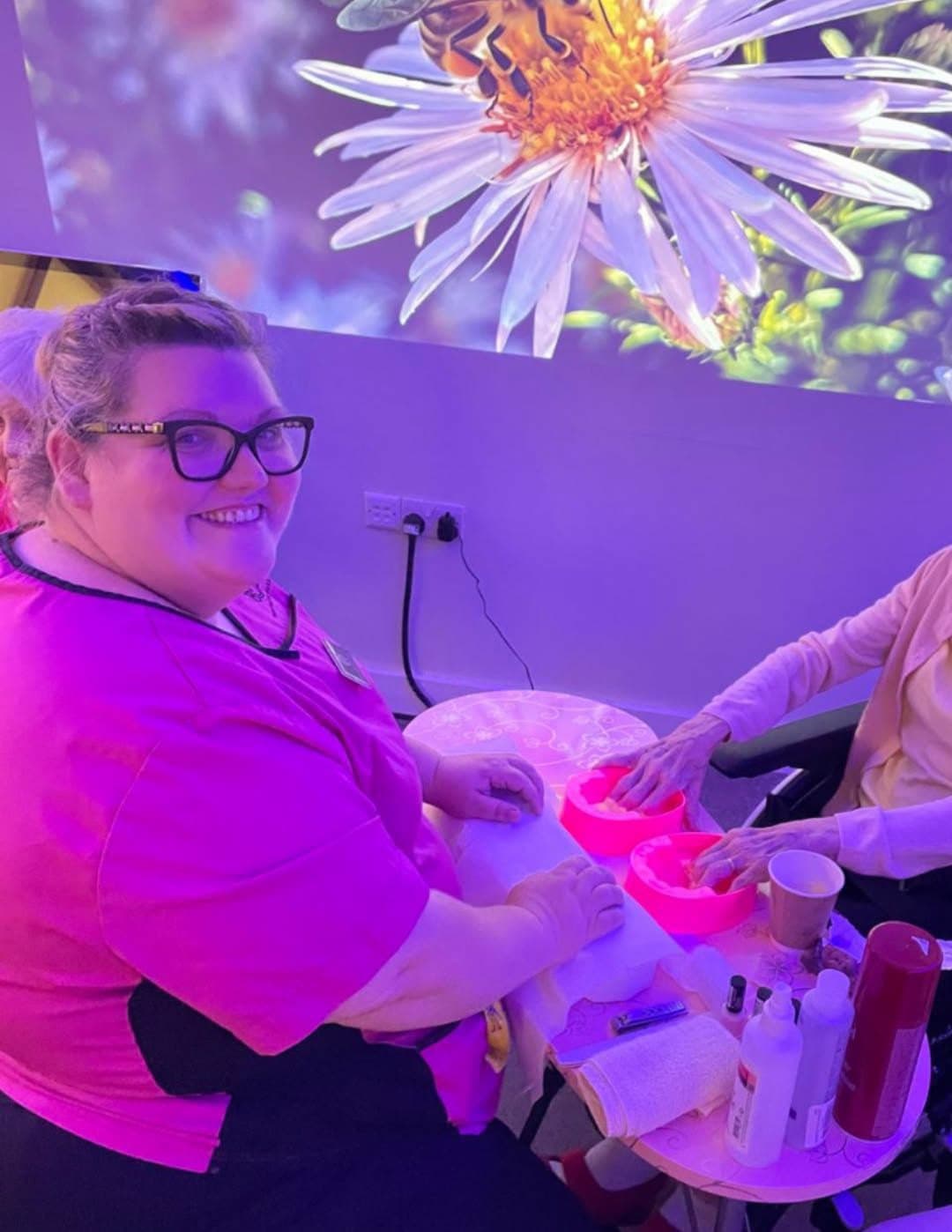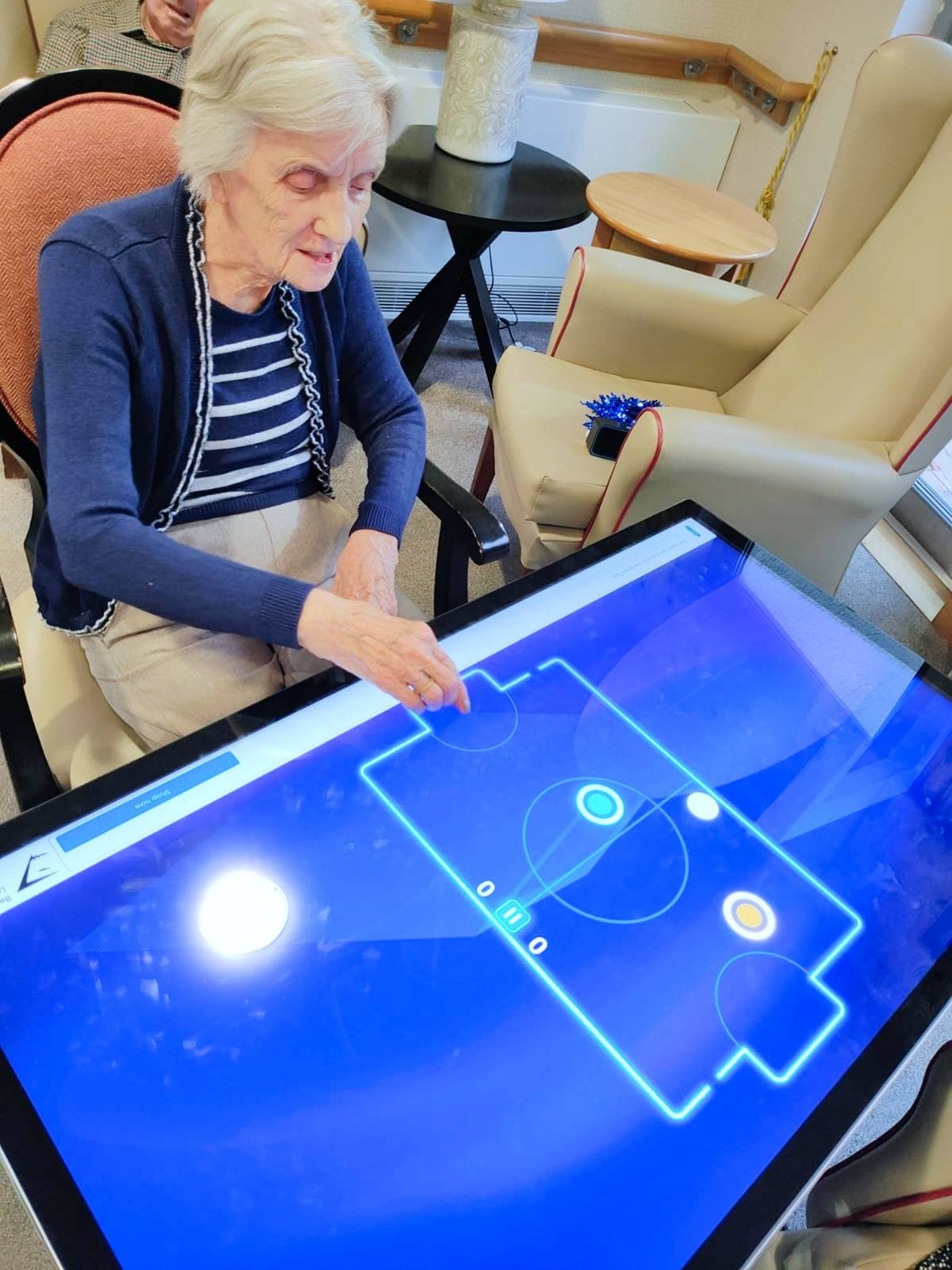
For someone living with dementia, the world around them can sometimes feel overwhelming or unfamiliar. Changes in memory, communication and perception can affect how a person experiences everyday environments, making it particularly important to create spaces where they can feel comfortable, calm and supported.
Sensory rooms and sensory activities can provide one way of doing this.
Designed around sight, sound, touch, smell and other senses, sensory experiences can offer opportunities for relaxation, stimulation and meaningful engagement. They can be particularly beneficial for people living with dementia, although the experience will be different for every individual.
At Rubislaw Park Care Home in Aberdeen, our dedicated sensory room provides a peaceful environment where residents can enjoy sensory experiences at their own pace, alongside a varied programme of activities designed around individual interests and abilities.
What Is a Sensory Room?
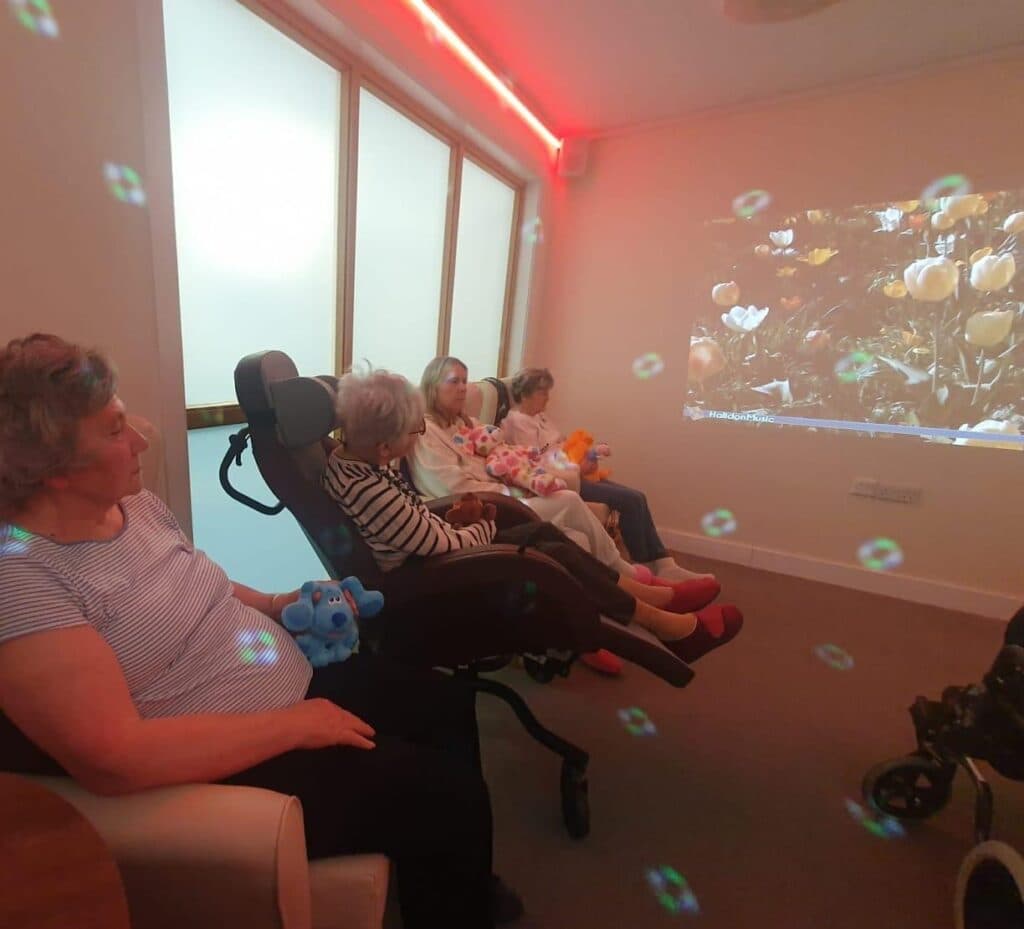
A sensory room is a dedicated space designed to provide a range of controlled sensory experiences.
Rather than being a busy communal environment, a sensory room can offer somewhere quieter where residents can relax and interact with different sights, sounds, textures and other sensory experiences.
Depending on the individual, this might include gentle lighting, calming music, tactile objects, visual displays or familiar scents.
The aim is not to provide stimulation for the sake of it. Instead, sensory experiences can be selected and adapted according to what a resident enjoys and what helps them feel comfortable.
For someone who finds busy environments overwhelming, having access to a quieter sensory space can provide a welcome change of pace.

How Can Sensory Activities Support People Living With Dementia?
Dementia affects everyone differently, so there is no single activity or sensory experience that will work for everyone.
However, sensory activities can provide opportunities for people living with dementia to engage with their surroundings in ways that do not always rely on memory or verbal communication.
A familiar piece of music, for example, may prompt an emotional response or memory even when someone struggles to remember other details. Similarly, touching familiar fabrics, smelling herbs or flowers, or looking through photographs can encourage conversation and connection.
Sensory activities can therefore become another way for care teams to understand what brings an individual comfort and enjoyment.
Creating a Calm and Comfortable Environment
One of the most valuable roles of a sensory room can be providing somewhere peaceful to spend time.
Care homes are naturally social environments, with conversations, activities, visitors and movement taking place throughout the day. While many residents enjoy this social atmosphere, there may also be times when someone simply wants somewhere quieter.
A sensory room can provide that alternative.
Soft lighting, calming sounds and comfortable surroundings can create an environment where residents can sit back, relax and enjoy some quiet time.
For a person living with dementia, having access to different environments can be particularly helpful. They can choose, with support where needed, whether they would prefer to join others in a communal area or spend some time somewhere more peaceful.

Sensory Experiences Can Encourage Communication
Communication can sometimes become more difficult as dementia progresses, but this does not mean that a person's ability to connect with others disappears.
Sensory activities can create opportunities for communication without placing pressure on someone to find the right words.
Listening to music together, looking at familiar photographs or handling an object associated with a past hobby can encourage smiles, gestures, facial expressions or conversations. These moments can also help care teams learn more about a resident.
A particular song might reveal a favourite musician. A familiar scent might bring back memories of a garden they once enjoyed. A particular texture might remind them of a hobby or occupation. Over time, these observations can contribute to a deeper understanding of the person and help staff provide more personalised care.
Sensory Activities Can Be Part of Meaningful Everyday Life
Sensory activities do not have to take place exclusively inside a sensory room.
Everyday experiences can engage the senses and provide opportunities for residents to take part in activities that feel familiar and meaningful.
Gardening is a good example. Feeling soil, smelling herbs, touching leaves and seeing flowers develop can provide a combination of sensory experiences while also connecting someone with a familiar interest.


At Rubislaw Park, residents can take part in gardening activities within the home's private gardens, including the dementia-friendly sensory garden created with residents and relatives. The garden includes fragrant herbs, colourful flowers and tactile features, giving residents another opportunity to engage with nature through their senses.
Other activities might include baking, listening to music, arts and crafts, hand massage, exploring different textures or enjoying familiar foods and drinks.
Music and Reminiscence
Music can be particularly meaningful for people living with dementia.
A familiar song can sometimes bring back memories, emotions or a sense of familiarity even when other memories have become harder to access. Listening to music together can also create social opportunities. Residents might sing along, clap to the rhythm or talk about musicians and performances they remember.
Reminiscence activities can work in a similar way. Looking through old photographs, handling familiar household objects or talking about past experiences can encourage conversation and help someone connect with important parts of their identity. The focus should not be on testing someone's memory. Instead, it is about enjoying the experience and allowing the resident to lead the conversation in their own way.
Sensory Activities Can Be Enjoyed Together
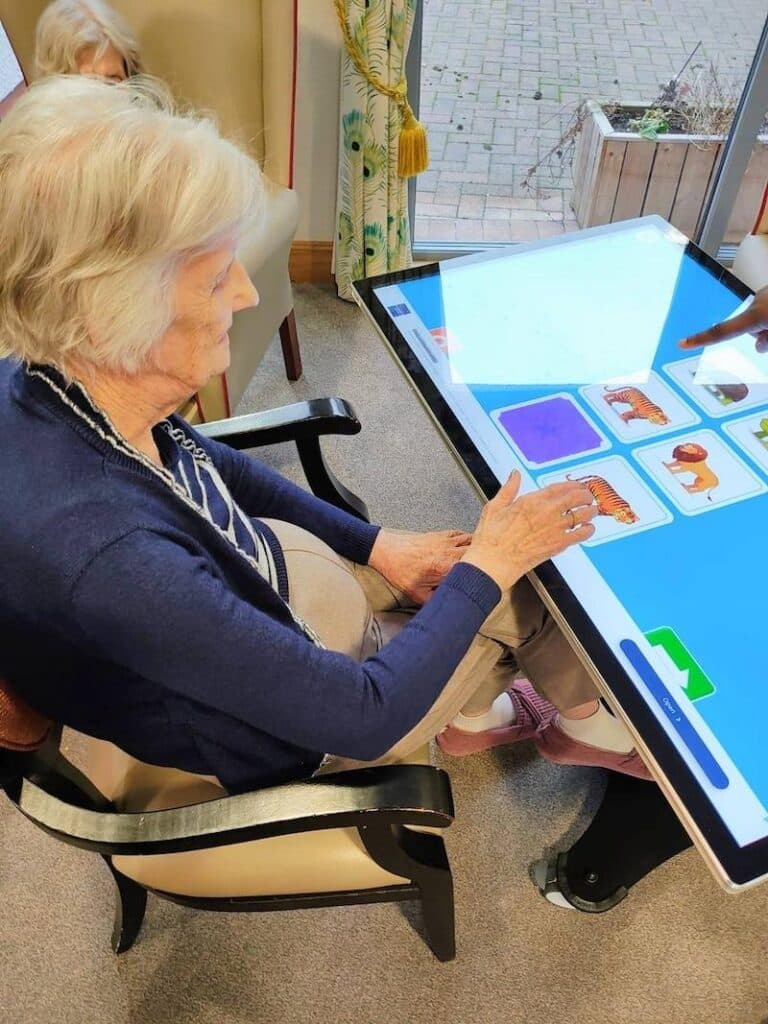
Although sensory rooms can provide a quiet space for individual relaxation, sensory activities can also be a wonderful way to spend time with other people.
A family member might sit with their loved one while listening to their favourite music. A member of the care team might join a resident in the sensory room for a calming activity. Friends might take part in gardening together. These shared experiences can strengthen relationships without requiring a particular conversation or activity to take place.
For families visiting someone living with dementia, sensory activities can also provide another way to connect and enjoy time together.
Supporting Different Sensory Needs
It is important to remember that more sensory stimulation is not necessarily better.
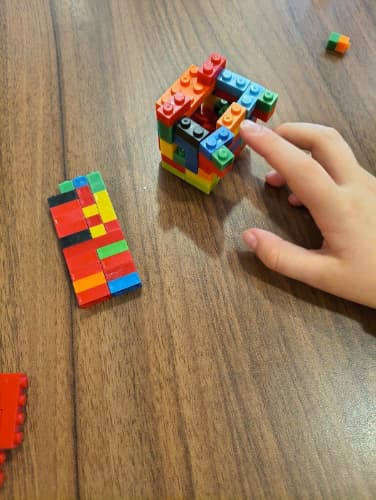
Some people may enjoy bright colours, music and tactile activities, while others may become overwhelmed by too much noise, light or movement.
This is why sensory experiences should always be individualised.
Care teams can observe how a resident responds to different activities and environments, taking note of what they appear to enjoy and what may cause discomfort. This understanding can then help shape future activities and support.
For someone living with dementia, consistency and familiarity can also be important. Using favourite songs, familiar objects or activities connected to a person's history can make sensory experiences feel more meaningful.
The Importance of Choice and Personal Preference
Perhaps the most important aspect of sensory activities is ensuring that residents have choice.
A sensory room should not be viewed as something every resident needs to use. Some people may love spending time there, while others may prefer the lounge, garden, cinema or their own bedroom. Person-centred care means understanding these differences.
At Rubislaw Park, residents are encouraged to pursue their own hobbies and interests, with the care and wellbeing team working to understand what each person enjoys. The home provides a variety of spaces and activities so residents can choose how they want to spend their time.
This approach is particularly important when supporting people living with dementia, because their preferences and abilities can change over time.
Sensory Rooms Are About More Than Stimulation
A sensory room is not simply a room filled with lights, sounds and objects. At its heart, it is another environment where a resident can feel comfortable, explore their senses and enjoy meaningful moments.
For someone living with dementia, this could mean listening to a favourite song, holding something familiar, enjoying a calming scent or simply sitting somewhere peaceful with a member of the care team. These seemingly small moments can be incredibly valuable.
They can provide opportunities for relaxation, connection and enjoyment while helping care teams understand the person behind the condition.
Sensory Experiences at Rubislaw Park Care Home
At Rubislaw Park Care Home in Aberdeen, our sensory room forms part of a wider approach to supporting residents' wellbeing and individuality. Alongside dedicated spaces for relaxation, residents can enjoy a varied activities programme, private gardens and a dementia-friendly sensory garden.
Our approach to dementia care is centred around the individual, recognising that every resident has their own history, personality, preferences and needs.
Whether someone enjoys spending time in the sensory room, tending to plants in the garden, listening to music, taking part in activities or simply enjoying a quiet moment with a familiar face, we want everyday life to include opportunities for comfort, connection and enjoyment.
If you would like to find out more about dementia care at Rubislaw Park or see our sensory room and other facilities for yourself, get in touch with our friendly team and arrange a visit. We'd be delighted to welcome you to the home and show you around.