As we grow older, maintaining strong social connections becomes increasingly important. Friendships, family relationships, community involvement, and meaningful daily interactions all play a vital role in supporting health, happiness, and overall wellbeing.
However, many older adults can experience loneliness or social isolation due to changes in health, mobility, retirement, or the loss of loved ones. While occasional solitude can be enjoyable, prolonged isolation can have a significant impact on both physical and emotional wellbeing.
This is why creating opportunities for social connection is such an important part of later life. Whether through family visits, community events, shared activities, or simply enjoying conversations with friends, staying connected can help older adults continue living fulfilling and meaningful lives.
Why Social Connection Matters
Humans are naturally social beings. Meaningful relationships help us feel valued, supported, and connected to the world around us.
Research has consistently shown that strong social networks can positively influence both physical and mental health. Regular social interaction can help reduce feelings of loneliness, improve confidence, support cognitive function, and contribute to a greater sense of purpose.
For older adults, maintaining these connections can become increasingly important. A friendly conversation over a cup of tea, participation in a favourite hobby, or spending time with family members can all have a positive impact on wellbeing.
Social engagement is not simply about filling time. It helps people remain connected to their interests, their communities, and the relationships that matter most to them.

The Impact of Loneliness on Older Adults
Loneliness is something that can affect people at any stage of life, but it is particularly common among older adults.
Changes such as retirement, reduced mobility, health conditions, or bereavement can sometimes make it more difficult to maintain regular social contact. Over time, this can lead to feelings of isolation and disconnection.
While every individual experiences loneliness differently, it can affect emotional well-being, confidence, and quality of life. This is why creating opportunities for regular social interaction is such an important aspect of later life support.
A welcoming environment where people can build friendships, participate in activities, and engage with others can make a significant difference to day-to-day happiness.
Building Friendships and a Sense of Belonging
One of the greatest benefits of a supportive care home environment is the opportunity to build new friendships.
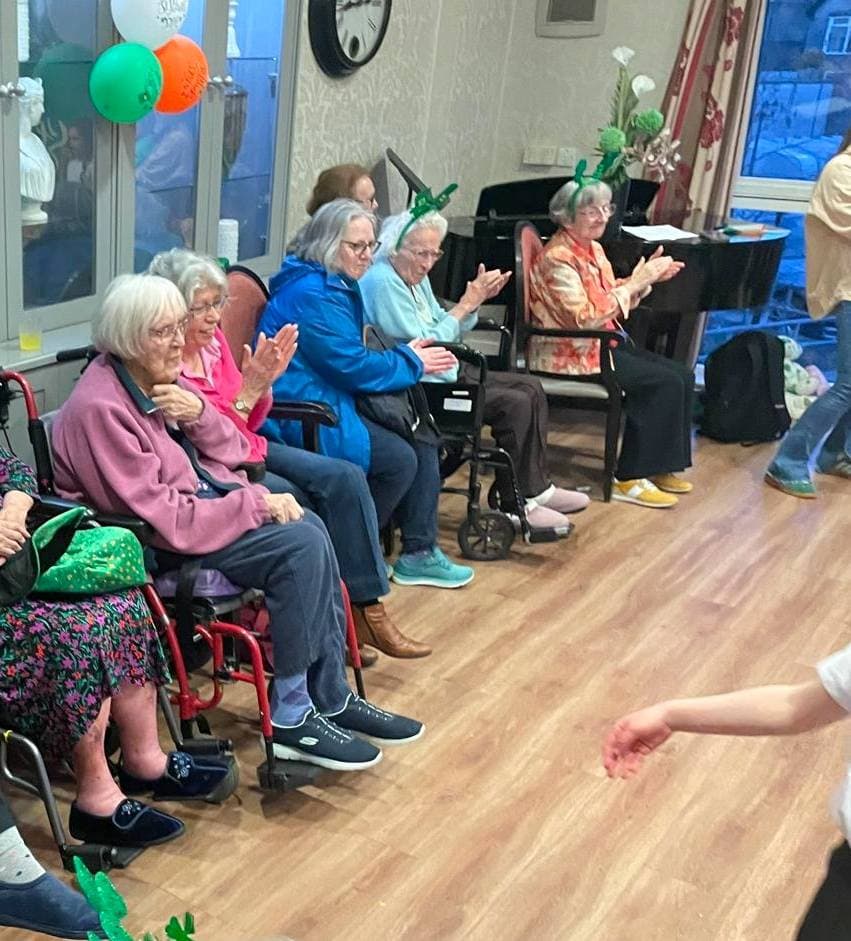
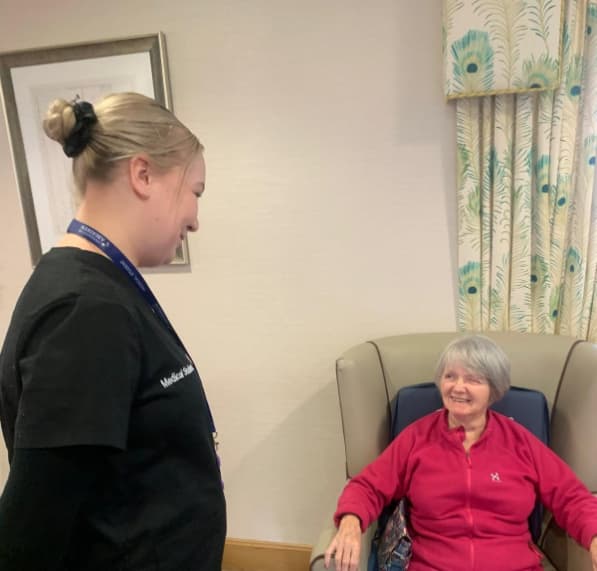
Sharing meals, participating in activities, attending events, or simply spending time together in communal spaces can help residents form meaningful relationships with those around them.
These friendships often provide companionship, emotional support, and shared experiences that enrich everyday life.
For many residents, becoming part of a vibrant community can help ease the transition into care and create a genuine sense of belonging. Being surrounded by familiar faces and caring people can help individuals feel comfortable, valued, and included.
The Value of Community Connections
Remaining connected to the wider community is equally important.
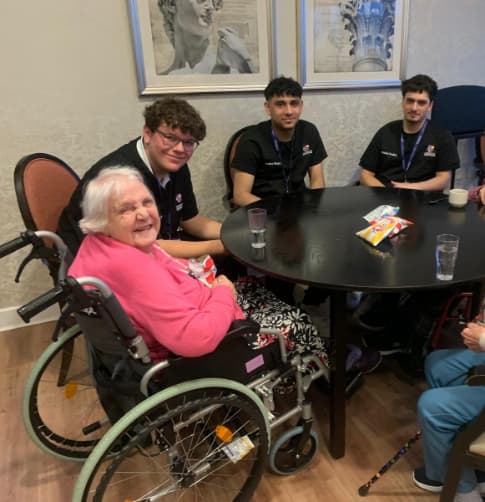
Many care homes work closely with local groups, organisations, and charities to ensure residents continue to feel engaged with the world beyond the home. These connections can provide opportunities to meet new people, participate in community events, and remain involved in local life.
Community engagement can also help residents maintain interests and passions they have enjoyed throughout their lives. Whether through local performances, fundraising events, educational talks, or cultural activities, these experiences help bring variety, enjoyment, and purpose to daily life.
For families looking for a care home in Aberdeen, finding a home that values community involvement can offer reassurance that their loved one will continue to enjoy meaningful experiences and social opportunities.
Intergenerational Activities and Visits
Intergenerational activities have become an increasingly valued part of later life care.
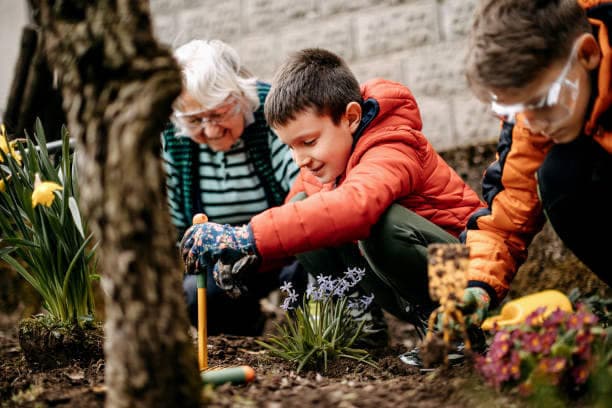
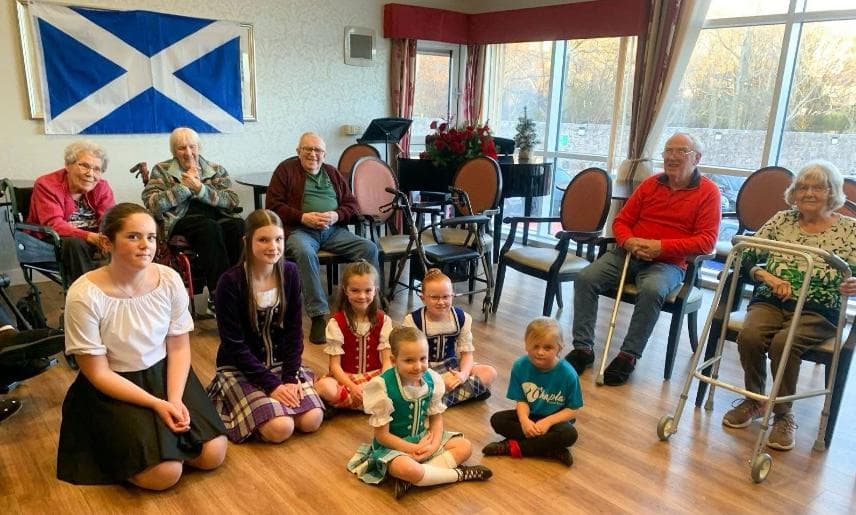
Bringing together people of different ages creates opportunities for meaningful connections, shared learning, and mutual enjoyment. Visits from local schools, youth groups, nurseries, and community organisations can bring energy, laughter, and conversation into a care home environment.
These interactions often allow older adults to share stories, experiences, and skills with younger generations while enjoying the enthusiasm and fresh perspectives that children and young people bring.
Intergenerational activities can help strengthen confidence, encourage social engagement, and foster a sense of purpose. They also help create stronger links between care homes and the communities they serve.
Many families are delighted to see their loved ones participating in activities that connect them with people of all ages and keep them engaged with the wider community.
The Benefits of Trips and Outings
Social connection is not limited to activities within a care home.
Regular outings can provide valuable opportunities to explore familiar places, discover new experiences, and maintain links with the local community.
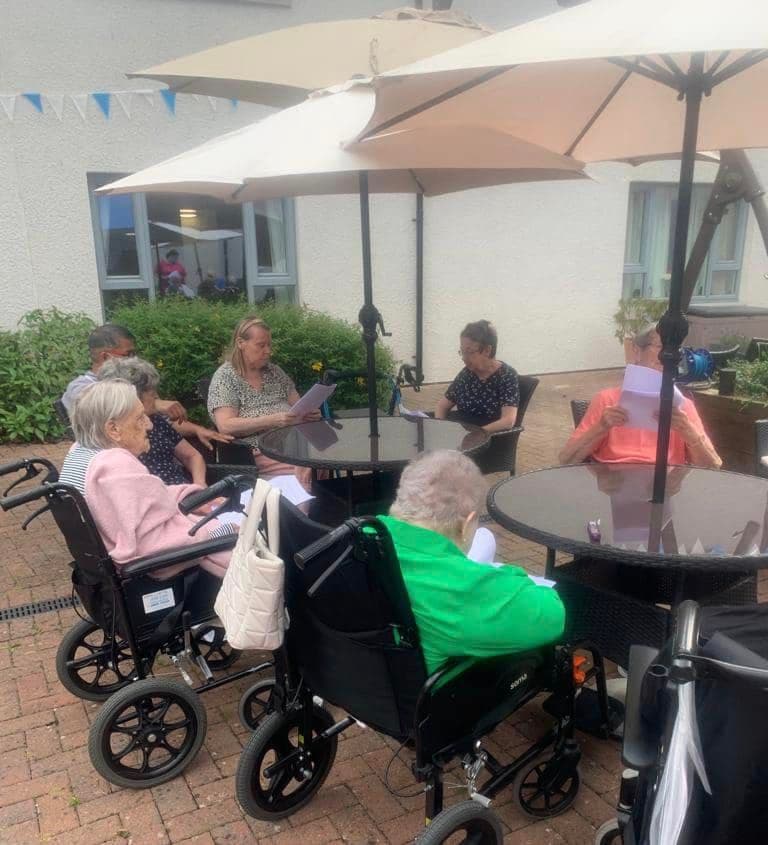
Whether it is a visit to a local café, a walk along the seafront, a shopping trip, a theatre performance, or a visit to a garden centre, outings help residents enjoy new experiences while maintaining independence and confidence.
These trips often encourage conversation, stimulate memories, and provide opportunities to spend quality time with fellow residents and team members.
For many older adults, continuing to enjoy favourite hobbies and places can contribute significantly to their sense of identity and wellbeing.

Supporting Wellbeing Through Meaningful Activities
Social connection often develops naturally through meaningful activities and shared experiences.
Activities that reflect a resident's interests and preferences can encourage participation, build confidence, and create opportunities for friendship.
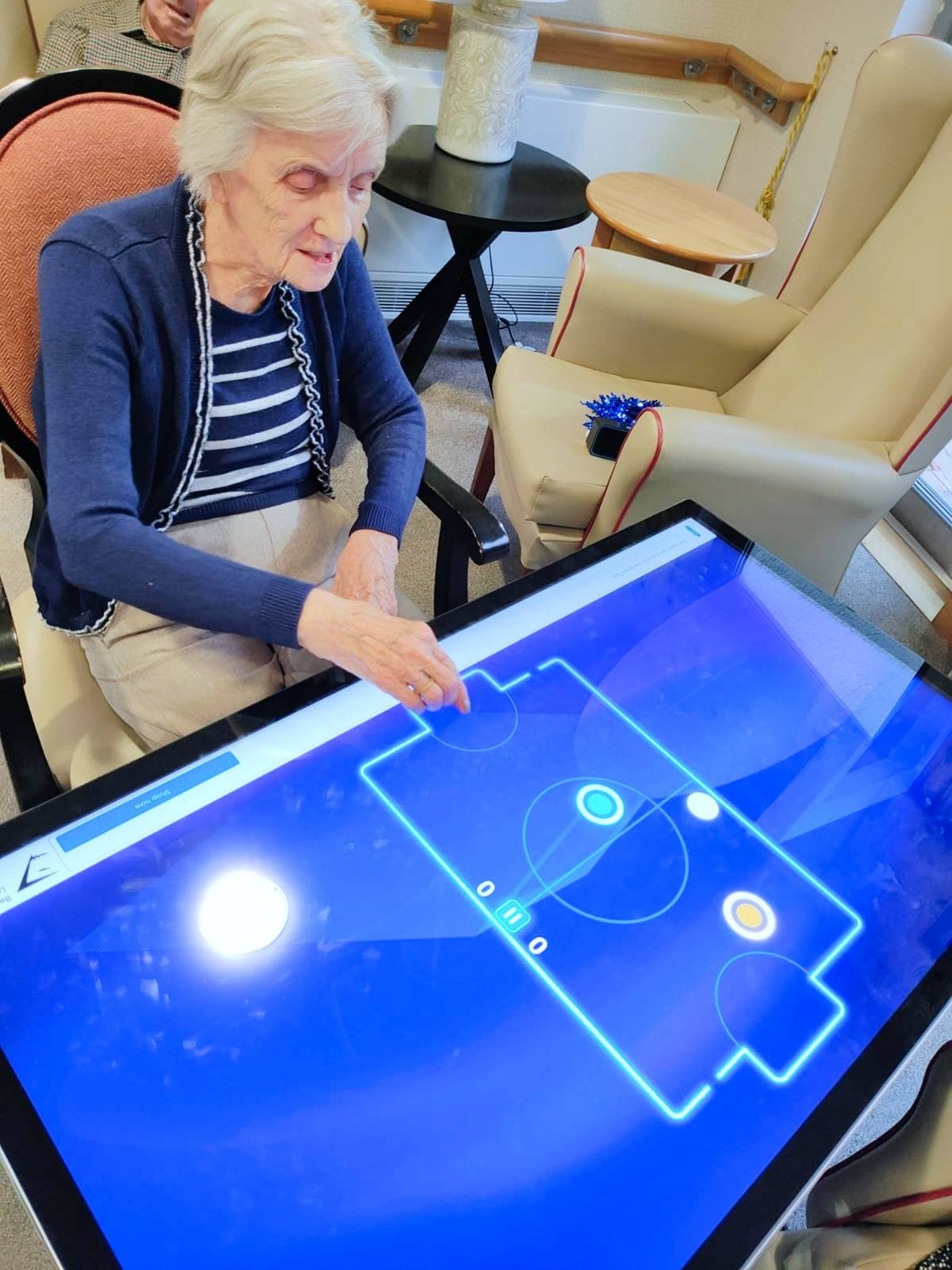
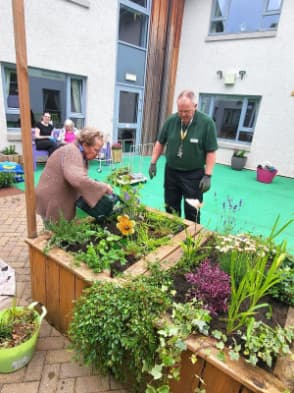
Arts and crafts, gardening, music, gentle exercise, film nights, discussion groups, and community events all help bring people together while supporting physical, emotional, and cognitive wellbeing.
The most successful activities are often those that feel purposeful and enjoyable rather than simply filling time. By focusing on individual interests, care homes can help residents remain engaged in the things that bring them happiness.
Staying Connected with Family
Family relationships remain incredibly important throughout later life.
A good care home will encourage families to remain actively involved, whether through regular visits, attending events, sharing meals, or participating in celebrations and activities.
Strong family connections can provide comfort, reassurance, and continuity for residents while helping loved ones remain involved in their care journey.
Open communication between families and care teams also helps create a supportive environment where everyone works together to promote the resident's wellbeing.
Social Connection at Rubislaw Park Care Home
At Rubislaw Park Care Home in Aberdeen, we understand the important role that social connection plays in supporting health, happiness, and quality of life.


Our welcoming community encourages residents to build friendships, pursue their interests, and remain connected to the people and activities that matter most to them. Through engaging activities, local outings, community involvement, and regular intergenerational visits, we create opportunities for meaningful experiences every day.
Combined with our comfortable surroundings, personalised care, and strong sense of community spirit, we strive to ensure every resident feels valued, included, and truly at home.
If you would like to learn more about life at Rubislaw Park Care Home, our friendly team would be delighted to arrange a visit and answer any questions you may have.